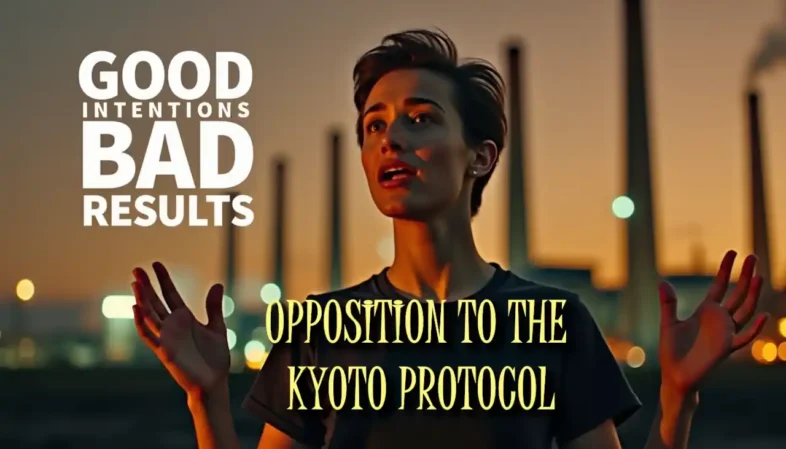
Those who do not believe CO2 is the most significant greenhouse gas form part of the opposition to the Kyoto Protocol. They believe that the effect of increasing CO2 levels will have little effect on the climate, and this debate has led to questions about the effectiveness of implementing the Kyoto Protocol.
The argument of the opposition is that if CO2 is not the most influential greenhouse gas regarding climate change, will cutting emissions really have a significant and worthwhile effect? Cornfield

Another view against the protocol publicised by Bjorn Lombourg (2001) in “The Sceptical Environmentalist”, accepts that humans have dramatically increased atmospheric CO2 concentrations, and the increase has had an adverse influence on temperature.
However, rather than agreeing with the UNFCC and the IPCC that greenhouse gas emissions should be reduced or we will suffer the negative environmental consequences, Lombourg (2001) believes that climate change will not be as disruptive as popular opinion would have us believe.
Lombourg (2001) Compared with the Scientific Consensus in 2025
Furthermore, he suggests that even though it is happening, it will be too expensive to try to rectify or reduce.
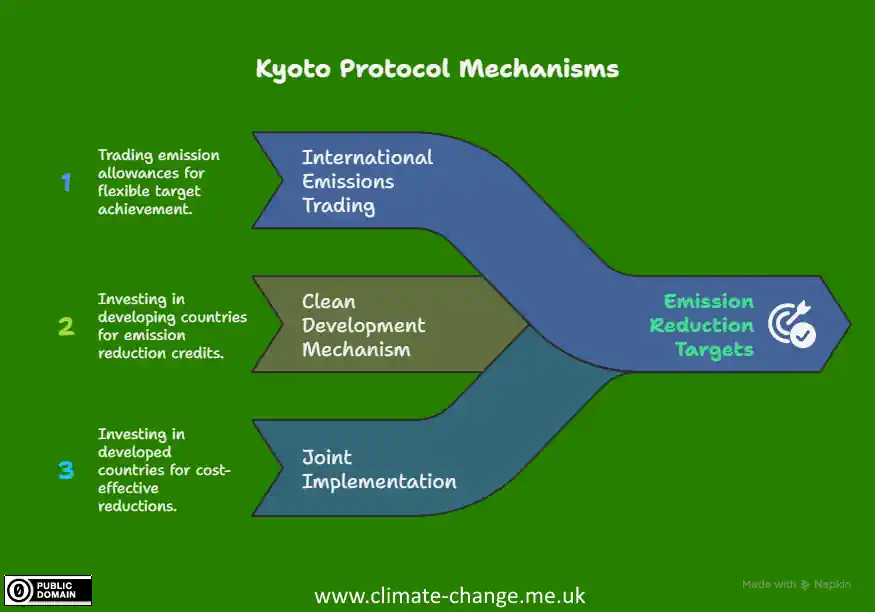
He disagrees about the sensitivity of the global climate to anthropogenic greenhouse gas emissions, and criticises IPCC predictions, claiming that the climate models are inaccurate in their representation of the effect that aerosols, water vapour, and clouds will have on the system.
The reality in 2025 is that global food production is increasing, but at a slowing rate, while desertification and crop failure in poor and hot nations have increased.
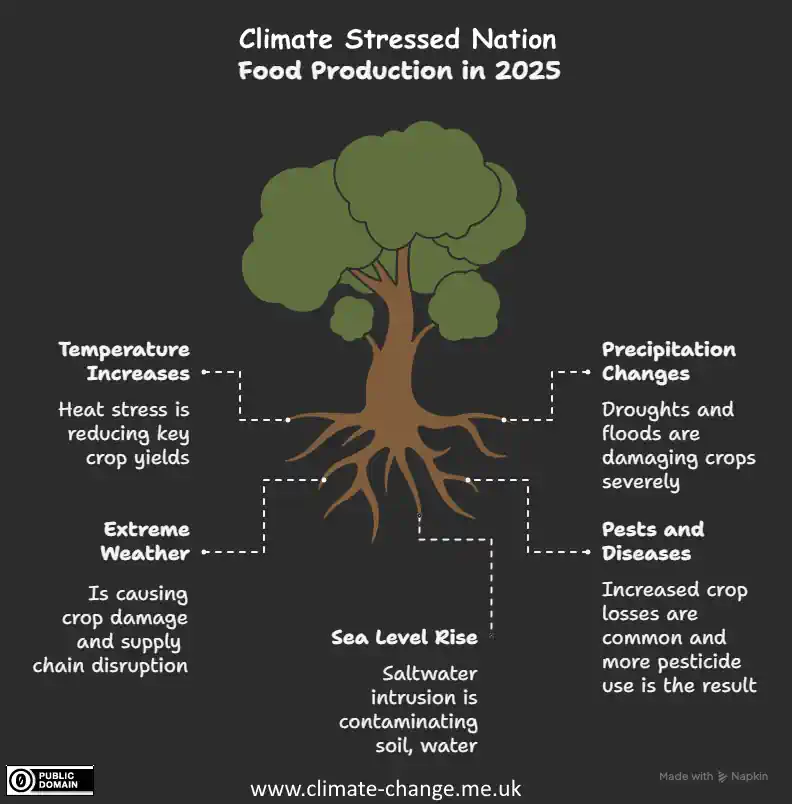
Lombourg (2001) claims that global warming will not decrease global food production, and probably not increase storminess or the frequency of hurricanes.
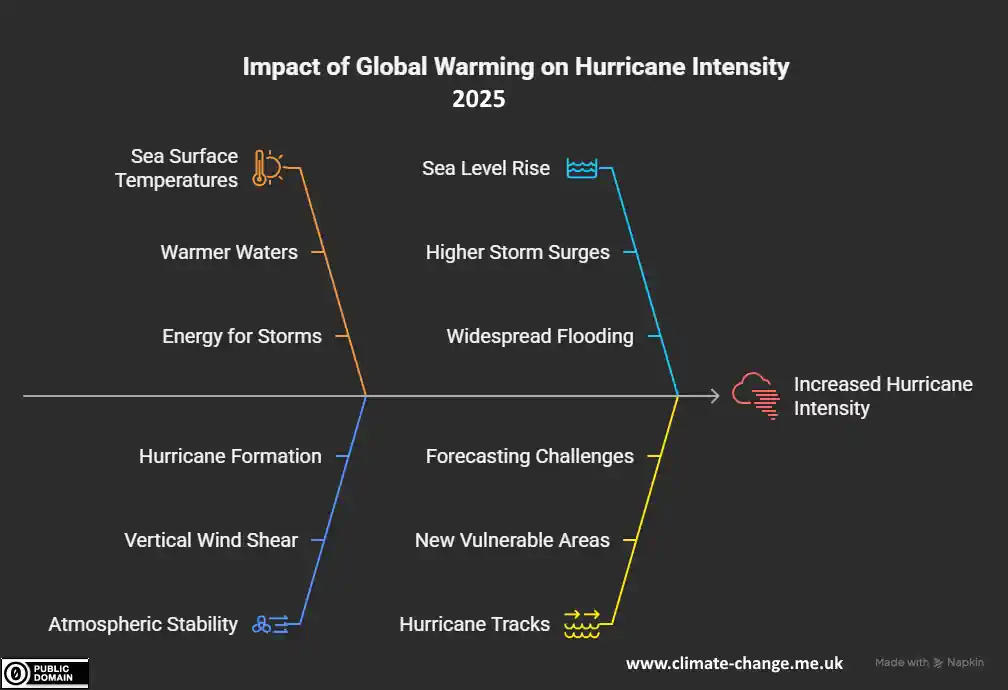
The reality is that, in 2025, hurricane intensity is considered by most experts to be increasing globally, particularly for the strongest storms, driven by rising sea surface temperatures and a warmer atmosphere that holds more moisture. There is now a scientific consensus that stronger, more destructive hurricanes are occurring.
He argues that the Kyoto Protocol should not be implemented, and the money saved will produce a richer world that can protect itself better.
Kyoto Mitigation Too Expensive
He believes it will be more expensive to cut CO2 emissions than to pay the costs of adapting to the increased temperatures and related effects. Lombourg (2001) estimates the cost of global warming at 5 trillion dollars and argues that the effect of Kyoto, even if successful, will be very small in the order of 0.15 °C in 2100, or the equivalent of delaying the temperature increase by approximately 6 years.
As an economist, he produces calculations that suggest Kyoto represents a waste of global resources for very little benefit.
An Update on Bjorn Lombourg “The Sceptical Environmentalist”
When Bjørn Lomborg published The Sceptical Environmentalist in 2001, it created a major controversy. He challenged the widely held “litany” that global environmental conditions were deteriorating, arguing that many issues like pollution, deforestation, and resource depletion were actually improving and that the most pressing problems were social, not environmental.
He also contended that the costs of radical climate change policies outweighed their benefits.
The established opinion among his peers, particularly in the scientific community, remains highly critical of his work. While he positioned himself as a statistician applying a data-driven approach, his methods and conclusions have been consistently and widely refuted by environmental scientists, economists, and other experts.
Peer Reception and Critiques 👨🔬
Lomborg's book was met with harsh reviews from the scientific community. The critiques were not just about disagreement, but about his methodology and the integrity of his data. The general consensus among his peers is that he engaged in:
- Selective Data Use: Experts in various fields accused Lomborg of cherry-picking data that supported his optimistic narrative while ignoring or misinterpreting a vast body of evidence that showed the opposite. For example, he was criticised for his analysis of deforestation rates, which neglected the crucial distinction between the loss of biologically rich tropical forests and the growth of less diverse northern forests.
- Lack of Expertise: As a political scientist and statistician, Lomborg was critiqued for entering highly specialised fields like climate science and biodiversity without the necessary expertise. Many scientists felt he oversimplified complex issues and lacked a deep understanding of the underlying science.
- Misrepresentation of Scientific Consensus: He was accused of misrepresenting the findings of major scientific bodies, such as the Intergovernmental Panel on Climate Change (IPCC), to downplay the severity of climate change and the urgency of action.
- Absence of Peer Review: A significant criticism was that his book, despite its scientific claims, was not a peer-reviewed scientific publication. This lack of rigorous scrutiny is a major point of contention within the academic community.
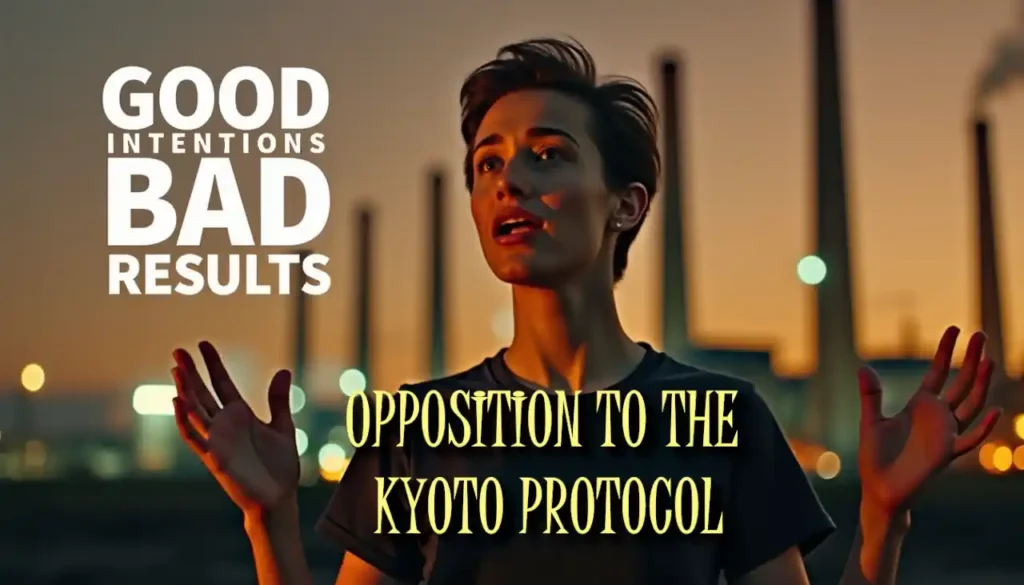
Current Standing 📢
Today, Lomborg is often considered a controversial figure rather than a mainstream voice in environmental science.
Bjørn Lomborg has not won a Nobel Prize. He is known for his work with the Copenhagen Consensus Center, a think tank he leads that collaborates with economists, including Nobel Laureates, to set priorities for tackling global challenges.
While his views have not been adopted by the scientific community, he has gained prominence as:
- a public intellectual and
- a prominent critic of the scientific consensus on climate change,
often appearing in the media and at conservative think tanks.
Bjorn Lombourg Today
He continues to advocate for a cost-benefit approach to environmental issues, arguing that resources should be prioritised for things like poverty and disease rather than for what he sees as overly expensive and ineffective climate policies.
However, the core criticisms of his original work—flawed methodology, selective data use, and misrepresentation of scientific findings—persist in current critiques of his more recent books and articles.
References:
- The Sceptical Environmentalist – This link to the original Nature article is unfortunately no longer available, but you may find this later article interesting
- A Rejection of The Sceptical Environmentalist
- Science and the Skeptical Environmentalist – This link is no longer available
- Intergovernmental Panel on Climate Change (IPCC)
[Published 25 June 2016. Updated 21 August 2025.]

How to Choose the Best Electric Vehicle for a Climate-Conscious Home
To choose the best electric vehicle (EV), first assess what you need the car for, including daily driving distance, what charging options you need, and your budget. Next: Consider range, charging speed, and real-world performance. Finally, factor in body styling, features, and reliability to compare models. Key Takeaways Electric vehicles reduce your carbon footprint by […]

10 Ways to Reduce Climate Change as a Student
Ten Strategies for Students to Help to Slow Down Climate Change Hey there! Climate change is a hot topic, and rightly so. It's affecting our planet in ways we can't ignore. But as students, you might wonder how you can make a difference. Well, you're in luck! There are plenty of ways to help reduce […]
From Humble Beginnings to Industry Leaders: The Story of Landia UK's Growth with Liz Robinson
Discover the remarkable 30-year journey of Landia UK, a leader in pump manufacturing. Join Liz Robinson as she reflects on her pivotal role from the company's humble beginnings to its status as an industry innovator in the UK and Ireland. Learn how Landia UK's commitment to quality and customer service has driven its growth and […]

15 Ways to Prevent Climate Change
Here we describe 15 great Ways to Prevent Climate Change. There are a huge number of ways you can help prevent climate change, from making small changes to your daily routine to voting in elections that promote environmental change. Are you in a rush? Then just read this! Below are ten quick suggested actions that […]